Business Name: FootPrints Home Care
Address: 4811 Hardware Dr NE d1, Albuquerque, NM 87109
Phone: (505) 828-3918
FootPrints Home Care
FootPrints Home Care offers in-home senior care including assistance with activities of daily living, meal preparation and light housekeeping, companion care and more. We offer a no-charge in-home assessment to design care for the client to age in place. FootPrints offers senior home care in the greater Albuquerque region as well as the Santa Fe/Los Alamos area.
4811 Hardware Dr NE d1, Albuquerque, NM 87109
Business Hours
Monday thru Sunday: 24 Hours
Facebook: https://www.facebook.com/FootPrintsHomeCare/
Instagram: https://www.instagram.com/footprintshomecare/
LinkedIn: https://www.linkedin.com/company/footprints-home-care
Most families do not begin investigating home care until there is a scare. A fall. A medication mishap. A frightening contact the middle of the night. I have sat in living rooms in Albuquerque and listened to adult children state, "I thought we had more time before we required aid."
Home take care of parents rarely feels urgent, best up until it is. Yet the earlier you understand what at home senior care can in fact provide, the more options you have and the more dignity your parents can keep.
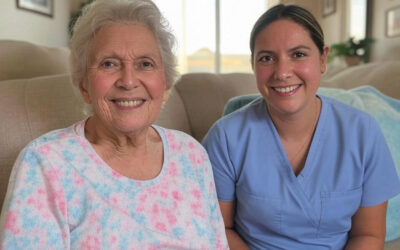
This is not only about help with showers and meals. Excellent senior home care is about safety, hygiene, and the sort of peace of mind that lets you sleep without constantly examining your phone. It is likewise about accepting that independence does not indicate doing everything alone. Sometimes it means choosing the ideal support.
Why staying at home matters to aging parents
Most older grownups, when you ask straight, will say they wish to stay in their own homes as long as possible. The reasons are emotional, useful, and deeply personal.
At home, a parent knows where the coffee mugs are, which step creaks, how the light falls in the kitchen each early morning. That familiarity decreases stress and anxiety, particularly for someone with memory loss or visual changes. Your home holds their history: household images, keepsakes, the used arm of the favorite chair.
There is likewise control. In a facility, schedules are set to satisfy the needs of many individuals. At home, your mother can select when she desires breakfast, what she consumes, which clothing she uses. That autonomy has real health value. People who feel they still have a say in their own lives often cope much better with disease and aging.
From a practical side, staying home can be less disruptive for the household. Grandchildren can visit the way they constantly have. The household canine does not have to be rehomed. Neighbors can still come by. For some families, especially in a city like Albuquerque where many individuals live in single-story houses, adapting a home for safety might be simpler than moving.
The obstacle is that the very same home that conveniences your parents can quietly become risky without anybody discovering until something happens. Rugs that were never ever an issue suddenly catch an unstable foot. Stairs end up being harder when arthritis flares. The shower that utilized to be a location of relaxation ends up being a severe fall threat. That is where in-home care makes a difference.
What "home take care of parents" actually means
The term "home care" covers numerous levels of support. Families often blend these up, which makes it difficult to compare choices or talk plainly with providers.
Non-medical home care concentrates on everyday activities. Caregivers aid with bathing, dressing, grooming, toileting, light housekeeping, meal preparation, errands, and companionship. This is what most people mean when they talk about in-home take care of an aging parent who still sees their doctor at the center and does not require extensive nursing.
Home health care is medical. It includes knowledgeable nurses, physiotherapists, occupational therapists, or speech therapists who come to the home after surgery, hospitalization, or a change in medical condition. Insurance frequently covers this, however it is intermittent and task-focused. A nurse might visit two times a week for wound care or medication mentor, not remain to repair lunch or assist with a shower.
24-hour or live-in care is an extended version of non-medical senior home care. It serves parents who can not securely be left alone, such as those with sophisticated dementia or considerable movement issues.
When households talk with an Albuquerque home care agency, they are usually looking for non-medical elder care. Somebody to check on Dad each day, get Mom securely into and out of the shower, prepare meals she will in fact consume, watch on hydration, and notification when something is off.
Safety: avoiding the emergency you do not want
A single fall can change everything. I keep in mind a customer in his late seventies, increasingly independent, living alone on the Westside. He tripped on a toss carpet, fractured his hip, and spent three weeks in the medical facility followed by 2 months in rehab. Before that fall, his child had actually carefully recommended some home care help. He had insisted he was fine.
Falls are not the only threat. Missed out on medications, dehydration, poor nutrition, roaming, driving accidents, and infections that go undetected too long can all spiral into emergency situations. The advantage of at home senior care is that somebody trustworthy is physically present, discovering the small modifications that family members may miss on rushed visits.
Here are a few specific methods home look after parents increases safety:
- Caregivers can recognize and decrease threats in the home, such as loose rugs, bad lighting, or messy walkways, and suggest practical improvements. Regular guidance lowers the risk of falls throughout higher-risk activities like bathing, getting out of bed, or walking to the restroom at night. Trained caretakers spot early signs of health problem such as confusion, modifications in cravings, inexplicable bruises, or increased shortness of breath, and notify the household quickly. For parents with dementia, consistent regimens and a familiar face in the house lower the danger of roaming and disorientation. Support with transport implies fewer dangerous drives when vision, reflexes, or judgment are no longer reliable.
Families sometimes presume they can offer this safety net themselves. For some, that is sensible. For numerous, it is not, specifically when adult children work full-time, live throughout town, or are raising children of their own. Home care fills the gap between "we visit when we can" and "somebody is truly keeping an eye out for them."
Hygiene: dignity, health, and the truth of individual care
Almost every adult kid I have worked with has been reluctant before this topic. Helping a parent with bathing, toileting, or altering clothing seems like a deep role turnaround. It can strain the relationship in ways few individuals anticipate.
Your mother may endure assistance from an expert far more quickly than from you. A neutral caretaker implies she does not need to stress over how you feel when you see the truth of her aging body. She can keep her function as your mother, not your patient.
From a strictly health point of view, great hygiene reduces the risk of skin breakdown, infections, and hospitalization. Absence of regular bathing or toileting assistance can lead to:
Unwashed skin can develop rashes, fungal infections, or sores. These can be especially harmful for people with diabetes or bad blood circulation. Infrequent altering of incontinence items leads to urinary tract infections, which are a common reason older grownups end up in the emergency clinic with confusion or weak point. Poor oral care increases the danger of pneumonia, particularly in those who currently have swallowing issues or use oxygen. Long nails, particularly in someone who can not feel their feet well, can cause cuts, infections, or painful pressure sores in shoes.
A well trained at home caregiver comprehends how to deal with these tasks inconspicuously and respectfully. They know to warm the bathroom before a shower, to move gradually, to explain each step, and to keep the parent as covered as possible. They likewise know the little tricks, like using a handheld shower for someone who dislikes water on their face, or shifting to towel baths on days when a full shower would just be too exhausting.
For older adults who matured in an era when you did your own individual care no matter what, accepting assistance is a delicate process. A great Albuquerque home care supplier will normally begin where the parent wants. Perhaps that is simply standby help in the restroom. Over time, trust grows, and more hands-on support ends up being feasible.

Medication, meals, and the unnoticeable risks
If you open your parent's cooking area cabinet and find several tablet bottles, half utilized, from various dates and doctors, you are not alone. Medication mismanagement is among the most typical and most preventable causes of hospitalization in older adults.
Caregivers do not prescribe or alter medications, however they play a crucial role in:
Reminding your parent to take scheduled doses at the correct times. Expecting negative effects like dizziness, stomach upset, confusion, or rashes. Making sure ended medications are not still being taken. Reporting issues to you so that you can follow up with the prescriber.
The same is true for food. Poor nutrition and dehydration do not always look like dramatic weight-loss. Often it is as simple as a parent counting on crackers and coffee because cooking for one feels meaningless, or preventing water to prevent nighttime bathroom trips. A caretaker who prepares well balanced meals, provides fluids throughout the visit, and sits with your parent while they consume can gradually re-establish healthier patterns.
I as soon as worked with a gentleman who insisted he was "eating just great." Over several visits, the caregiver saw that his fridge held primarily condiments and expired leftovers. He had lost almost ten pounds in 3 months. With support, he moved to easy-to-heat meals and enjoyed having company at the table once again. His energy and mood enhanced within weeks.
Emotional safety: more than avoiding accidents
Physical safety and hygiene are the obvious reasons families look for elder care. The quieter benefit is emotional safety: understanding that somebody exists, constant, and kind, specifically for a parent who has lost buddies, a spouse, or the ability to drive.
Loneliness has quantifiable health impacts. Studies connect social isolation with increased threat of depression, cognitive decline, and even heart events. For lots of older grownups, days can stretch long and empty. Television fills the silence, but it does not address concerns, make fun of shared memories, or listen to the same story with patience.
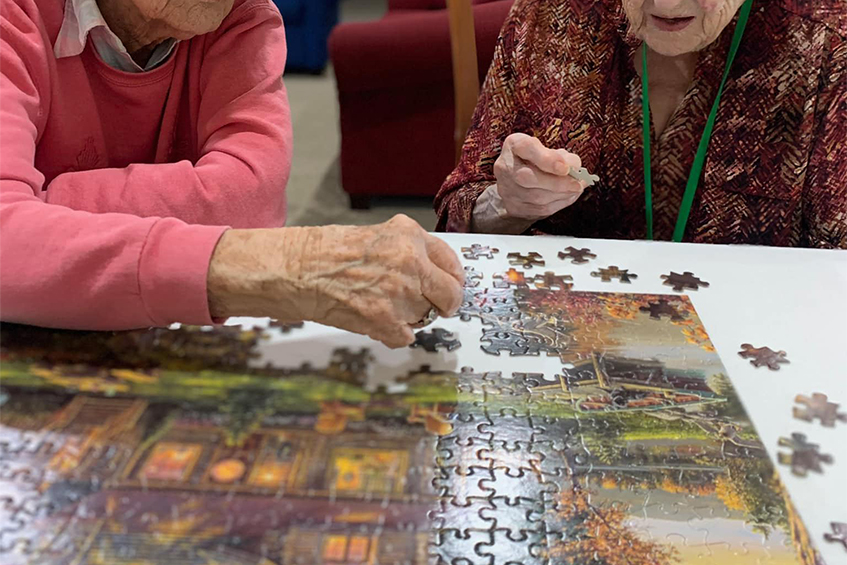
In-home senior care includes companionship, however not as an afterthought. An excellent caregiver does not simply sit in the exact same space scrolling through a phone. They engage. They ask about household history, assist with puzzles, fold laundry together, walk outside when safe, or look through picture albums. These seemingly small interactions safeguard mental health and maintain a sense of self.
Families in some cases ignore the psychological relief for themselves as well. The consistent worry that "something may happen" takes a toll. When trusted home care remains in location, adult kids often find they can visit as children and children once again, not as frazzled task supervisors. Conversations shift from "Did you take your meds, did you shower, what did you eat" to more meaningful topics.
When is the right time to start home care?
Waiting for a crisis is one choice, however it is rarely the gentlest course. In practice, a number of patterns frequently signal that it is time to explore senior home care.
You notice small, repetitive safety lapses. Maybe your mother leaves the range on, your father forgets to lock the front door, or there are more damages in the automobile than there utilized to be. These are yellow lights, not yet red, but they suggest your parent's margin for mistake is shrinking.
Personal hygiene is slipping. Unwashed hair, strong body odor, the exact same clothing used for days, or a home that used to be cool now building up trash and mess all indicate tasks that have ended up being overwhelming.
Medical complexity has increased. New detects, more medications, current hospitalizations, or clear recommendations from a doctor that your parent need to not be alone for long stretches are strong cues.
You, as the primary support, feel stretched to a snapping point. Caretaker burnout is real. If you discover yourself resenting your parent, losing sleep, or falling back at work due to the fact that you are continuously fretted, assistance is overdue.
The best time to start is frequently with a small, specified arrangement. For instance, 3 afternoons a week of Albuquerque home care focused on bathing, light housekeeping, and meal preparation. This allows your parent to adjust to having somebody in your home and lets you evaluate how well the agency interacts and responds.
What good home care appears like in practice
The quality of home care varies extensively. The distinction in between a good and a bad experience typically comes down to a couple of specific factors that you can really assess.
First, consistency of caregivers. Your parent needs to not feel like a parade of complete strangers is turning through their home. No company can guarantee the exact same caregiver 100 percent of the time, but they ought to go for a small, stable group and have a clear backup plan for health problem or emergencies.
Second, training and guidance. Caregivers ought to get ongoing education in subjects such as dementia interaction, safe transfers, infection control, and recognizing red-flag signs. Supervisors need to visit occasionally, talk with both you and your parent, and be reachable when problems arise.
Third, regard for routines and choices. Good in-home care adapts to the individual, not the other way around. If your father likes coffee before getting dressed, that ought to be honored. If your mother prefers a bath at night instead of the morning, the schedule ought to show that whenever possible.
Fourth, clear communication. You must know what took place throughout each visit, particularly if you do not live nearby. Lots of firms provide written notes in the home or secure digital logs. More vital than the format is the habit of speaking up when something changes.
Fifth, limits and professionalism. Caretakers can become like family, however they are still specialists. That implies they show up on time, follow agency policies, and preserve proper boundaries. No loaning or providing cash, no sharing of individual issues that problem the customer, no neglecting safety procedures due to the fact that "your mom said it is great."
When these elements are present, home care supports independence instead of weakening it. Your parent stays in charge of their life, just with more hands and eyes to keep things safe and dignified.
Special considerations for dementia and memory loss
Dementia modifications whatever about how care requires to be delivered. Families frequently explain it as "losing the same person over and over." That sorrow can make practical choices harder.
For a parent with dementia, familiar surroundings are frequently soothing, however they also include risks. Stoves, door locks, stairs, and even vehicle secrets can become threats. Traditional reasoning does not work well. You can not simply describe why something is unsafe and expect your parent to remember or agree.
In-home care can assist by creating foreseeable routines. People with dementia tend to function much better when the same tasks happen at the same time every day, with familiar hints. A consistent caregiver becomes part of that pattern.
Communication style matters greatly. Experienced dementia caregivers avoid arguing or attempting to force insight. They join the parent's truth as much as possible and gently reroute. For example, if your mother is upset due to the fact that she "requires to capture the bus to work," a competent caregiver may talk with her about her old task for a few minutes, then recommend they "have a fast snack before you leave," and use that time to move her attention elsewhere.
Families in Albuquerque in some cases assume that memory care facilities are the only choice once dementia progresses. In reality, lots of people with dementia can stay at home safely for years with the best level of assistance: daytime supervision in the beginning, possibly broadening to overnight coverage or live-in care later.
That said, there are limitations. When habits become aggressive, when wandering can not be controlled even with home modifications, or when medical requirements exceed what non-medical home care can manage, a move to a greater level of care may be the best choice. Acknowledging that pivot point typically requires sincere discussions with medical providers and your home care agency.
Balancing cost, convenience, and values
Families often battle with the financial side of elder care. Non-medical home care is usually paid out-of-pocket, except when covered by long-lasting care insurance or certain veterans' benefits. Costs vary by company and area, however in lots of parts of the country, consisting of Albuquerque, hourly rates typically fall under a moderate range that accumulates when care is needed daily.
Facility care also has a cost, often greater for assisted living or memory care than for part-time home care. The financial comparison is not constantly straightforward. Eight hours of in-home care each day may equal or go beyond assisted living expenses, while a smaller package of hours might be a lot more affordable.
The much deeper concern is about worths. For some households, keeping a parent at home, near familiar next-door neighbors and routines, deserves extending to afford several hours of daily care. For others, the social structure, activities, and medical oversight of a facility line up better with their parent's needs and personality.
What I have seen work best is a versatile mindset. Start with the least limiting, the majority of dignified alternative that is safe now. Reassess every couple of months. As requirements change, the care strategy shifts. Maybe that is including weekend coverage, pausing services after an effective rehabilitation, or eventually transitioning to residential care when home is no longer the safest setting.
Choosing home care for parents is not a one-time, irreparable decision. It is one stage in a longer journey of supporting someone you enjoy through aging.
How to talk with your parents about bringing care into the home
The conversation about at home senior care can be harder than arranging the care itself. Lots of older grownups relate accepting aid with quiting. The words you select and the method you frame the modification make a difference.
A basic technique that frequently helps includes these actions:
- Focus on what they acquire, not what they lose. Highlight comfort, safety, and being able to stay at home instead of the jobs they can no longer manage alone. Start small and particular. Suggest aid with a couple of concrete things, like bathing two times a week or rides to visits, rather than a vague "someone coming every day." Involve them in interviews. Let them satisfy prospective caretakers and ask concerns. Feeling that they had a say lowers resistance. Be honest about your limitations. Share how anxious or tired you are, without guilt-tripping. Typically, parents accept assistance more readily to relieve their children. Use their doctor as an ally. Numerous parents accept recommendations more easily from a physician than from family. Ask the physician to frame home care as a medical safety measure.
Most resistance softens with genuine experience. Parents find that a caregiver is not there to take control of their life, but to make the difficult parts easier. They may still whine some days, but the advantages tend to promote themselves over time.
Home take care of parents sits at the crossway of safety, hygiene, and peace of mind. It is useful, yes, however likewise deeply human work. Whether you are organizing a couple of hours a week or https://footprintshomecare.com/senior-home-care/adl-assistance/ checking out full-time elder care in Albuquerque, the goal is the exact same: safeguard your parent's wellness while honoring who they are.
You will not discover a best service that solves every concern. What you can find is the right level of assistance for this season, with room to adjust as life unfolds. And often, having a capable, caring individual action through the front door is precisely what enables both parents and kids to breathe a little easier.
FootPrints Home Care is a Home Care Agency
FootPrints Home Care provides In-Home Care Services
FootPrints Home Care serves Seniors and Adults Requiring Assistance
FootPrints Home Care offers Companionship Care
FootPrints Home Care offers Personal Care Support
FootPrints Home Care provides In-Home Alzheimer’s and Dementia Care
FootPrints Home Care focuses on Maintaining Client Independence at Home
FootPrints Home Care employs Professional Caregivers
FootPrints Home Care operates in Albuquerque, NM
FootPrints Home Care prioritizes Customized Care Plans for Each Client
FootPrints Home Care provides 24-Hour In-Home Support
FootPrints Home Care assists with Activities of Daily Living (ADLs)
FootPrints Home Care supports Medication Reminders and Monitoring
FootPrints Home Care delivers Respite Care for Family Caregivers
FootPrints Home Care ensures Safety and Comfort Within the Home
FootPrints Home Care coordinates with Family Members and Healthcare Providers
FootPrints Home Care offers Housekeeping and Homemaker Services
FootPrints Home Care specializes in Non-Medical Care for Aging Adults
FootPrints Home Care maintains Flexible Scheduling and Care Plan Options
FootPrints Home Care is guided by Faith-Based Principles of Compassion and Service
FootPrints Home Care has a phone number of (505) 828-3918
FootPrints Home Care has an address of 4811 Hardware Dr NE d1, Albuquerque, NM 87109
FootPrints Home Care has a website https://footprintshomecare.com/
FootPrints Home Care has Google Maps listing https://maps.app.goo.gl/QobiEduAt9WFiA4e6
FootPrints Home Care has Facebook page https://www.facebook.com/FootPrintsHomeCare/
FootPrints Home Care has Instagram https://www.instagram.com/footprintshomecare/
FootPrints Home Care has LinkedIn https://www.linkedin.com/company/footprints-home-care
FootPrints Home Care won Top Work Places 2023-2024
FootPrints Home Care earned Best of Home Care 2025
FootPrints Home Care won Best Places to Work 2019
People Also Ask about FootPrints Home Care
What services does FootPrints Home Care provide?
FootPrints Home Care offers non-medical, in-home support for seniors and adults who wish to remain independent at home. Services include companionship, personal care, mobility assistance, housekeeping, meal preparation, respite care, dementia care, and help with activities of daily living (ADLs). Care plans are personalized to match each client’s needs, preferences, and daily routines.
How does FootPrints Home Care create personalized care plans?
Each care plan begins with a free in-home assessment, where FootPrints Home Care evaluates the client’s physical needs, home environment, routines, and family goals. From there, a customized plan is created covering daily tasks, safety considerations, caregiver scheduling, and long-term wellness needs. Plans are reviewed regularly and adjusted as care needs change.
Are your caregivers trained and background-checked?
Yes. All FootPrints Home Care caregivers undergo extensive background checks, reference verification, and professional screening before being hired. Caregivers are trained in senior support, dementia care techniques, communication, safety practices, and hands-on care. Ongoing training ensures that clients receive safe, compassionate, and professional support.
Can FootPrints Home Care provide care for clients with Alzheimer’s or dementia?
Absolutely. FootPrints Home Care offers specialized Alzheimer’s and dementia care designed to support cognitive changes, reduce anxiety, maintain routines, and create a safe home environment. Caregivers are trained in memory-care best practices, redirection techniques, communication strategies, and behavior support.
What areas does FootPrints Home Care serve?
FootPrints Home Care proudly serves Albuquerque New Mexico and surrounding communities, offering dependable, local in-home care to seniors and adults in need of extra daily support. If you’re unsure whether your home is within the service area, FootPrints Home Care can confirm coverage and help arrange the right care solution.
Where is FootPrints Home Care located?
FootPrints Home Care is conveniently located at 4811 Hardware Dr NE d1, Albuquerque, NM 87109. You can easily find directions on Google Maps or call at (505) 828-3918 24-hoursa day, Monday through Sunday
How can I contact FootPrints Home Care?
You can contact FootPrints Home Care by phone at: (505) 828-3918, visit their website at https://footprintshomecare.com, or connect on social media via Facebook, Instagram & LinkedIn
Conveniently located near Cinemark Century Rio Plex 24 and XD, seniors love to catch a movie with their caregivers.